
Trees, poetry and nourishment
Tu B’shevat is our Jewish salute to trees often expressed in the poetry of nature’s renewal and rebirth that links it to Israel’s cultural identity. Long ago I studied poetry under the guidance and inspiration of literary critic and professor Cleanth Brooks, a central figure in the New Criticism movement dedicated to making verse a tough discipline. It emphasized structural and textual analysis, or close reading, over historical or biographical analysis.
World War II brought Brooks to Yale and among the verses he critiqued was a version of "Trees" by Joyce Kilmer written in 1913. The poem was also set to music by Oscar Rasbach in 1922 and became a popular song. I recall Professor Brooks disapproved of its mixed metaphors, with a special contempt for that nest of robins in the coiffure of a branch. The poem compares humans to trees with roots in the spiritual world and branches reaching outward, bearing the fruit of good deeds. Brooks considered it poor poetry, criticizing its sentimentality and arguing that it valued religious appeal over integrated form and meaning,
Despite this literary disapproval, many of us could sing the words or just admire the sentiment while recalling the fact that Joyce Kilmer was a poet who died fighting in the fields of World War I. The tragedy of the First World War found its voice in those deceptively simple rhymes and lines. "Trees" is notable for its anthropomorphic imagery: the tree, which Kilmer depicts as female, drawing its nourishment from the Earth, looking at God, and raising its "leafy arms" to pray.
My family sold furniture – Wayside Furniture in East Providence – which gave my family its central financial resource. Those chairs and tables and beds. all constructed from wood, were a central part of life to the youthful Fink brothers. Though it is something of a stretch, my connection to both wood and poetry led me to think of the nurturing earth from which both the trees of our livelihood and the poem “Trees” sprang. For these reasons I would like to dedicate this memoir to the nurturing guidance of our editor, Fran Ostendorf, with my gratitude and admiration for her excellent, eloquent and elegant career. Her admirable and intuitive handling of its complex challenges deserves high praise. To this I add my personal gratitude for her tact, judgment, and kindly touch on each and every page.
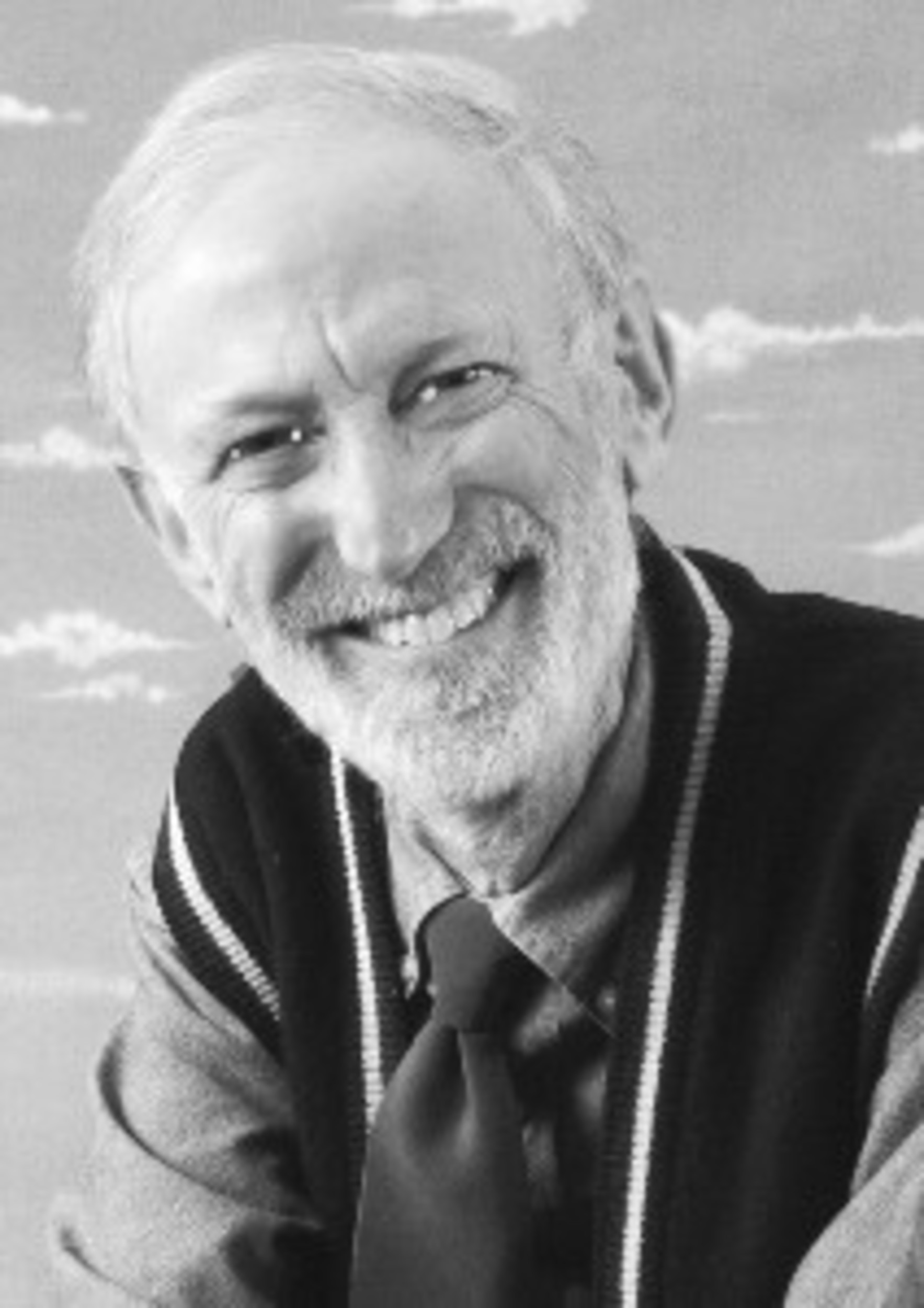
MIKE FINK (mfink33@aol.com) is a professor emeritus at the Rhode Island School of Design.
Keywords
Sketchbook, Mike Fink



published by