
A window into the Jewish world of Alexander Hamilton
In the final decade of my RISD career, I divided my journeys, my routes, my roads and my readings between the faraway and the nearby. I made it to many but not all, of the Caribbean islands like stepping-stones for my Jewish history all the way to the Touro Synagogue in our Newport. I traveled to Suriname and French Guyana, Curacao, Barbados and Martinique, St. Thomas and St. Croix, Haiti and the Dominican Republic, Puerto Rico and Jamaica, Costa Rica and St. Eustatius...but not Nevis (yet) and not Cuba (yet).
They all held and told the story of the mostly bygone chapters of Jewish Sephardic worlds of yore, and I saw the sunken sacred baths, the sinking gravestones, the occasional historical plaques, along with the meandering goats and sheep, the hummingbirds and flamingos, and at times I stopped to purchase a book or a picture to serve as a souvenir.
In a local bookstore right here in Providence I came upon a paperback titled "The Jewish World of Alexander Hamilton," a scholarly study of the legacy of the renowned first Secretary of the Treasury. Hamilton was many things: an aide to George Washington, a speaker and writer, and, of course, the duelist against Aaron Burr, who shot him dead at age 50, leaving his widow with their seven surviving children aged 2 to 18. The author of this biography, Andrew Porwancher, doesn't flaunt an opinion. Instead, he invites the reader to consider how to judge Hamilton’s career and his dream for the new nation of America. In the last paragraph he says,
"Hamilton envisioned a future that belonged not to the sons of plantation aristocrats but to the itinerant, the enterprising, . . . to people like him and his Jewish allies."
Hamilton studied in a Jewish school in his native Nevis; the focus of this book by a professor from Oklahoma is upon the complex question of whether he was Jewish himself. The author never insists on a definition.
Hamilton’s mother, Rachel Faucette converted to Judaism before his birth. Her married name, Lavien, was something akin to Levine. Although he later identified as an Anglican Christian, there is no baptismal record for him, and it is likely he was raised Jewish. What fascinated me as a reader and reviewer is how the writer skirts this question and plays fair – perhaps he was Jewish in a sense, and then again, maybe his interactions were a complicated mix of philosophical, political and psychological motivations. Nevertheless, it was Hamilton who defended the testimony of a Jewish witness in court and later helped eliminate mandatory Christian worship at Columbia, never forgetting his origins.
Today many of our concerns are for the health of the planet, properly so. But, like Porwancher, we are also especially focused on the separation of church and state together with the concept of religion as a valuable contribution to civic society. This ties in with Hamilton’s own belief in the separation of religious institutions from government control to prevent persecution, and he argued that civil and religious liberties were interdependent.
Porwancher gives careful consideration to this and other dilemmas in the early era of the 13 divided states. He does a great job of it. He makes my voyages seem valuable in retrospect, as though I were joining his search. If I succeed in teaching another class at the Providence Art Club, I will assign a patriotic painting and prose defining "patriotism" and judge their success with some of the dramas and doubts of our collective beginnings.
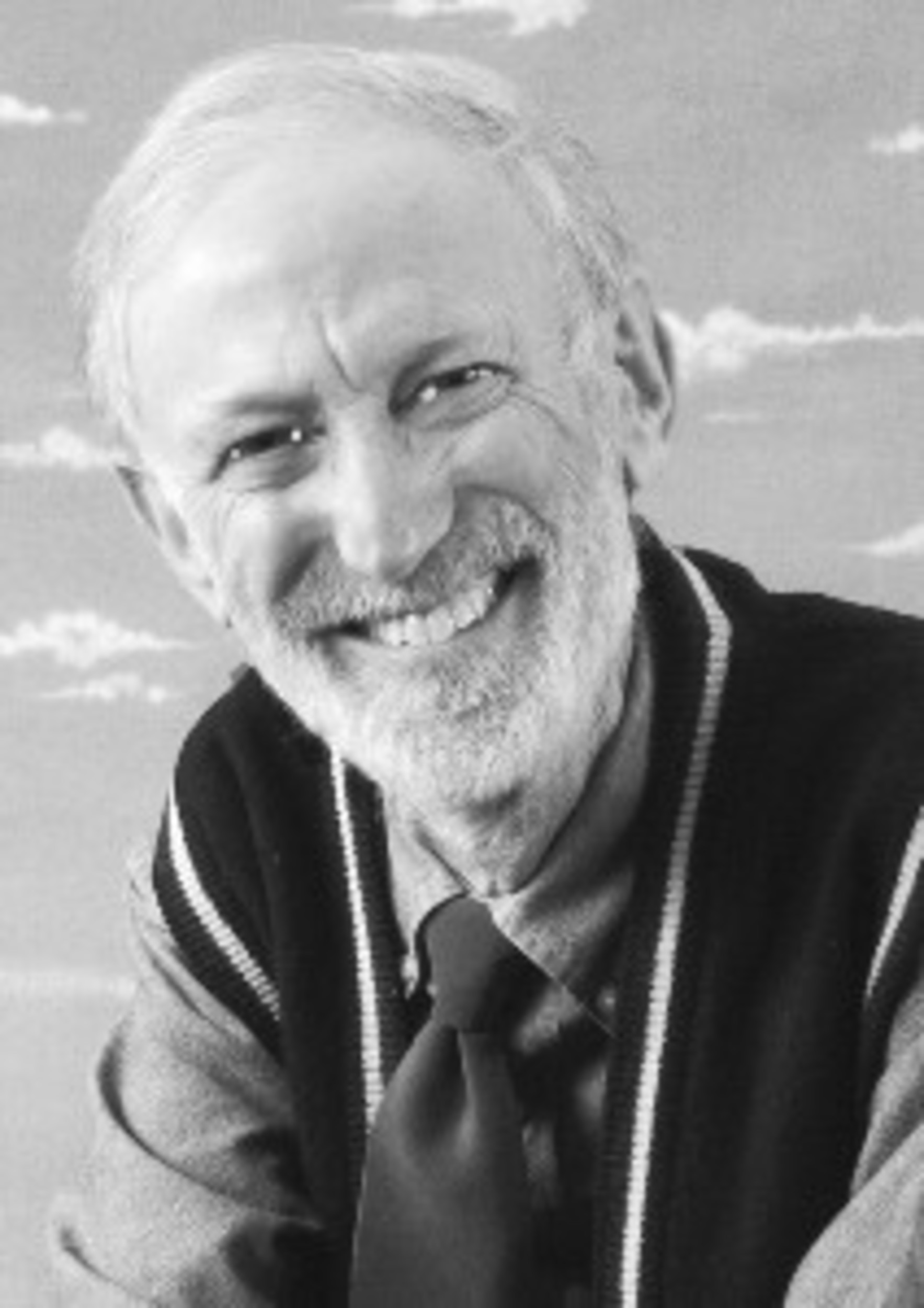
MIKE FINK (mfink33@aol.com) is a professor emeritus at the Rhode Island School of Design.
Keywords
Sketchbook, Mike Fink


published by